




Low-Thermal-Conductivity Silicon-Mullite Bricks Help Cement Plants Save Energy and Reduce Carbon
Jul 23,2026
Low-Thermal-Conductivity Silicon-Mullite Bricks Help Cement Plants Save Energy and Reduce Carbon
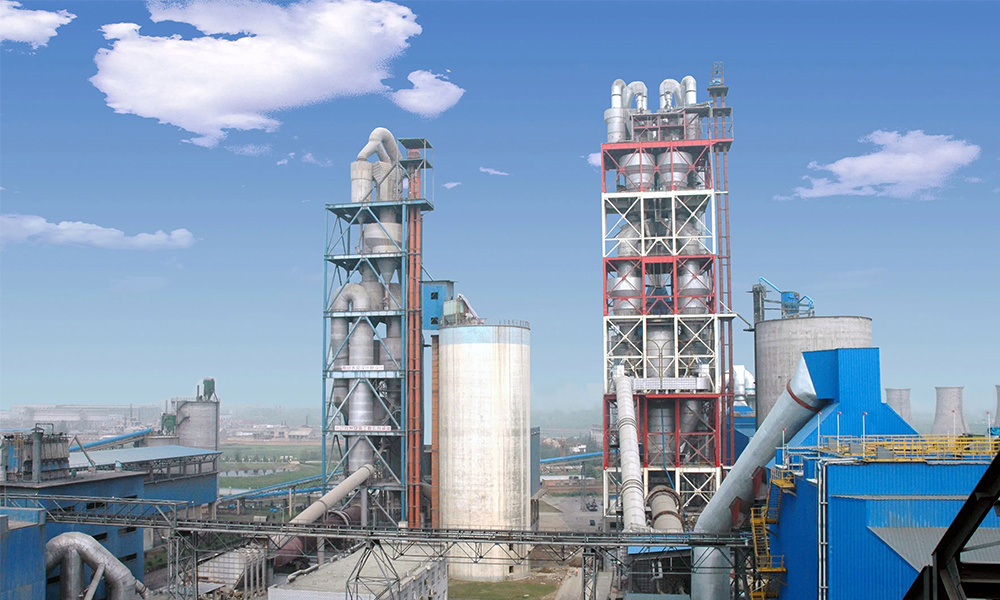
Amid the global trend toward low-carbon transformation in the cement industry, low-thermal-conductivity silicon-mullite bricks have emerged as a cost-effective, highly practical solution for energy conservation and carbon reduction in cement kilns. Their core advantages—low thermal conductivity, long service life, and a chromium-free, recyclable composition—help cement plants comprehensively cut costs and emissions while aligning with global low-carbon policies.
✅ Highly Efficient Insulation: Reducing Coal-Related Carbon Emissions at the Source
Featuring a microporous composite insulation structure, these bricks offer thermal performance far superior to traditional magnesia-chrome or high-alumina bricks. They effectively block heat transfer from the kiln interior, lower the shell surface temperature, and drastically reduce thermal energy loss within the kiln system. Suitable for mainstream 5,000 t/d cement production lines, they can reduce coal consumption per ton of clinker by 3%–5%, directly cutting carbon emissions from coal combustion.
✅ Long-Lasting Durability: Reducing Indirect Carbon Emissions
Composed primarily of mullite and silicon carbide, the bricks exhibit exceptional resistance to thermal shock and alkali erosion. With a service life 1.5 to 3 times longer than standard refractory bricks, they significantly lower indirect carbon emissions associated with the production, transport, and frequent relining of refractory materials. Additionally, their lightweight design reduces the operational load on the rotary kiln, effectively lowering electricity consumption and ensuring sustained energy savings.
✅ Eco-Friendly Compliance: Meeting Global Low-Carbon Standards
Formulated to be chromium-free and environmentally friendly, the bricks are recyclable, thereby avoiding the extra energy consumption and carbon emissions associated with hazardous waste disposal. They also stabilize the thermal field within the kiln, making them perfectly compatible with cutting-edge low-carbon technologies such as alternative fuels, low-NOx calcination, and CCUS (Carbon Capture, Utilization, and Storage). This helps enterprises lower carbon quota procurement costs and meet requirements regarding global carbon tariffs and green building material standards.

PREVIOUS:
Contact Us
E-mail:
Phone:
Address:
Songlou Industrial Zone, Xinmi City, Henan, China


Related Products


Message
we will get in touch with you as soon as possible